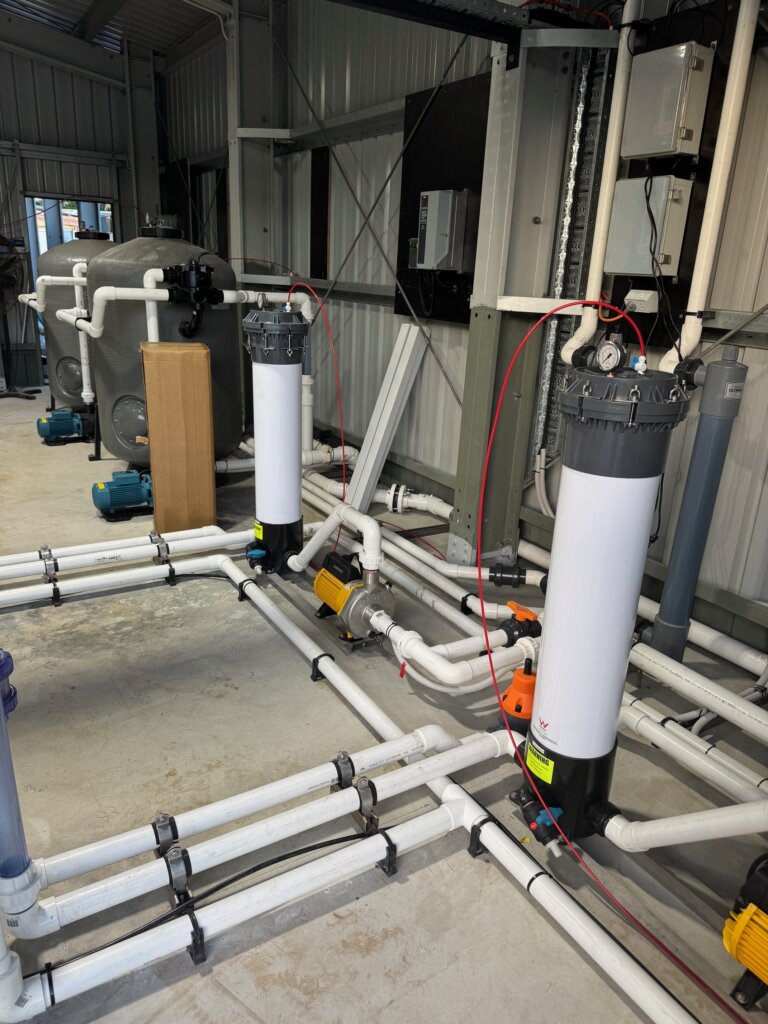
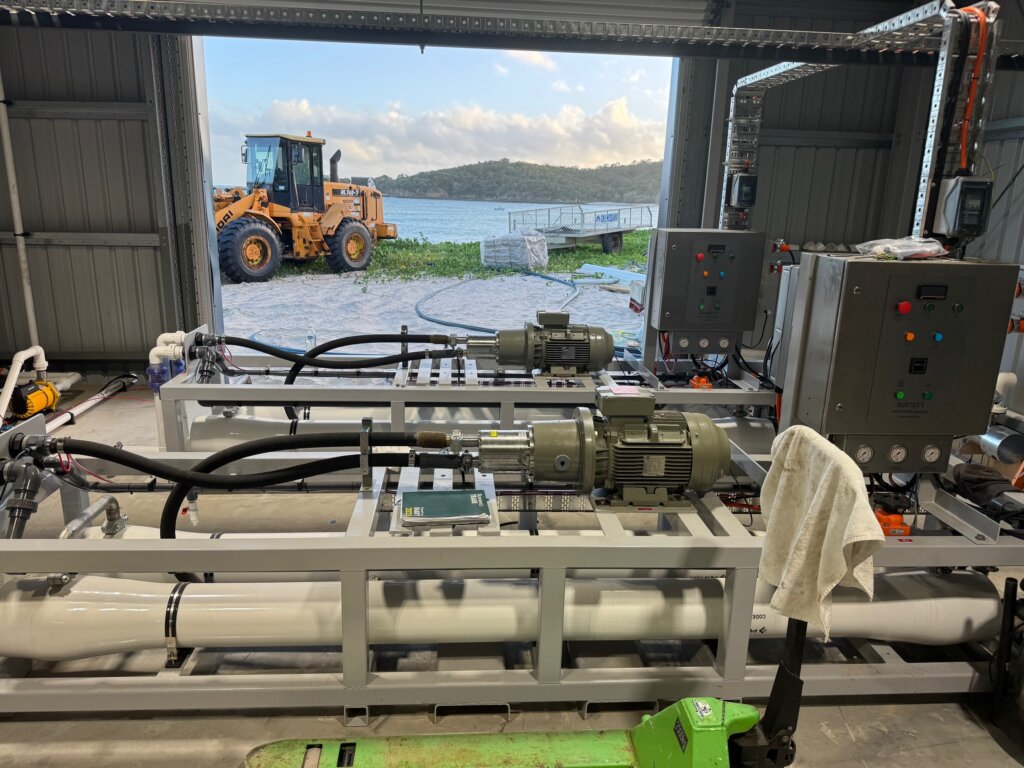
Great Keppel Island Hideaway has taken a major step forward in its sustainability journey with the installation of a new solar-powered desalination plant—capable of producing up to 140,000 litres of fresh water each day.
Predominantly powered by renewable energy, the system is designed to meet the Hideaway’s current water needs—ranging from 70,000 to 110,000 litres daily—while also replenishing the island’s aquifer and reducing dependency on natural groundwater sources.
A 500,000-litre backup water storage facility further enhances water security for guests and staff alike.
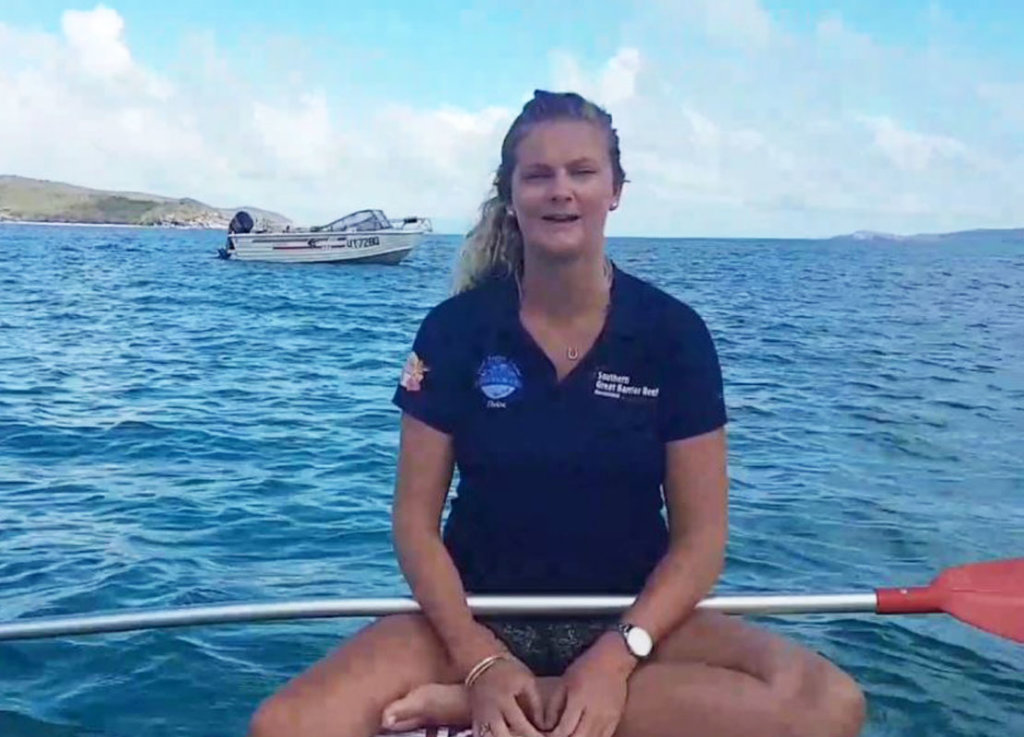
Kelly Harris, Group Manager of Great Keppel Island Hideaway, described the new desalination plant as a milestone for the resort.
“This installation represents a pivotal step in our long-term commitment to sustainability,” Kelly said.
“By harnessing solar power, we’re securing a reliable supply of fresh water while actively supporting the health of the island’s natural ecosystem.”
Kelly added that the decision was driven not only by operational needs but by a strong sense of environmental responsibility.
“We understand how precious natural resources are on an island, and this project is about future-proofing our operations while doing right by the environment we all love and depend on,” Kelly said.
“Guests today want to know that their holiday isn’t costing the planet—and we’re proud to show that sustainable tourism is possible and practical.”
The project follows Great Keppel Island Hideaway’s 2024 eco-certification from Ecotourism Australia, strengthening its reputation as a leader in environmentally responsible tourism.
Mary Carroll, CEO of Capricorn Enterprise, welcomed the development as a reflection of the region’s broader sustainability focus.
“Great Keppel Island Hideaway’s initiatives exemplify the kind of sustainable tourism practices the Capricorn Coast is proud to champion,” Mary said.
“This kind of forward-thinking investment demonstrates the power of local tourism operators to lead by example and reinforce the Capricorn Coast’s status as an eco-certified destination committed to preserving our natural heritage for future generations.”
The Capricorn Coast’s eco-certification is part of a wider regional commitment to sustainability, safeguarding environmental, social, and cultural values for the long term